What is pressure washing?
Introduction: What Is Pressure Washing?
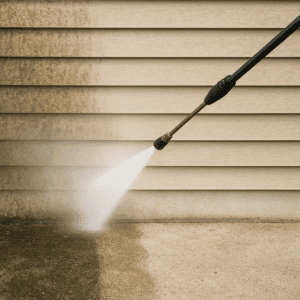
Pressure washing is a cleaning method that uses a high‑pressure stream of water to blast away dirt, grime, mold, mildew, and debris from hard surfaces like driveways, siding, decks, and more. It’s one of the most efficient ways to clean surfaces compared to traditional methods like scrubbing and rinsing by hand.
What Pressure Washing Actually Means
In simple terms, pressure washing employs a machine (a pressure washer) that forces water through a narrow nozzle at high pressure. The intense force of the water helps dislodge and wash away stubborn buildup that normal hoses or buckets of soapy water simply can’t remove.
Unlike standard cleaning, which relies on friction and elbow grease, pressure washing harnesses water’s kinetic energy to make cleaning quicker and more effective.
Pressure Washing vs Power Washing
Pressure washing and power washing are terms often used interchangeably, but there’s a key technical difference:
-
Pressure washing uses high‑pressure cold or room‑temperature water to clean surfaces.
-
Power washing adds heated water to the process, which can help break down tougher grime like oil and grease more easily.
Most homeowners and basic cleaning tasks are handled with pressure washing, while power washing is more common for heavy‑duty commercial or industrial cleaning.
How Pressure Washing Works
A pressure washer consists of a motor and pump that accelerates water drawn from a hose. The pump increases the water’s pressure and sends it through a hose to a trigger gun and then out through a specific nozzle tip.
Key points:
-
The higher the pressure, the deeper the clean.
-
Different nozzle tips produce different angles and force levels for different jobs.
-
Most residential pressure washers use cold water, while commercial versions may use hot water or chemical additives.
Top Benefits of Pressure Washing
Pressure washing offers several major advantages over standard cleaning:
1. Saves Time & Reduces Effort
Pressure washers clean much faster than manual scrubbing — saving time and physical strain.
2. Deep, Effective Cleaning
The high‑pressure water reaches deep into cracks and crevices, lifting stubborn debris that hand washing often misses.
3. Enhances Curb Appeal
A freshly pressure washed home or business instantly looks cleaner and more attractive — great for first impressions and property value.
4. Prevents Long‑Term Damage
Removing harmful substances like mold, algae, and dirt can prevent surface decay and costly repairs down the road.
Common Uses for Pressure Washing
Pressure washing is versatile and can be used on many surfaces, such as:
-
Driveways and sidewalks
-
Decks and patios
-
Home siding and exterior walls
-
Fencing and outdoor furniture
-
Commercial building exteriors
-
Garage floors and concrete surfaces
No matter the surface, choosing the right pressure and nozzle is key to avoiding damage.
When to Avoid Pressure Washing
While pressure washing is powerful, it’s not right for every surface. Delicate materials like soft wood, shingles, paint, or certain siding can be damaged if excessive pressure is used. In those cases, alternatives like soft washing (a low‑pressure cleaning method) may be better.
Professional vs DIY Pressure Washing
You can rent or buy a pressure washer for DIY jobs, but professionals bring experience, industrial‑grade equipment, and safety training for large jobs or tricky surfaces.
If you’re unsure how much pressure to use or how to protect delicate materials, hiring a professional can prevent costly mistakes and ensure a more thorough clean.
Conclusion
Pressure washing is a powerful and effective cleaning method that transforms surfaces, boosts curb appeal, and protects property investments. Whether you’re prepping for a new paint job or just want your home or business to look its best, pressure washing offers a fast, efficient solution for deep cleaning.
Need a quote Click Here